local Chimney cleaning in Seattle for efficient fireplace performance
When to Call Experts: Top Signs Your Chimney Needs Cleaning: Safeguard Your Home Against Fire Dangers
Chimney care is commonly disregarded, yet it plays a critical role in home safety. Homeowners should be aware of specific warning signs that indicate a need for professional cleaning. Unpleasant smells, heavy smoke, and creosote accumulation are only some of the warning signs. Disregarding these indicators can result in significant hazards. Being aware of these threats and knowing when to take action can preserve both property and personal safety. The sections below will examine these important topics in greater detail.
Recognizing the Warning Signs of Chimney Neglect
How can homeowners identify the signs of chimney neglect? There are several important warning signs that homeowners should watch for. A major red flag is the buildup of creosote, which can appear as a black, tar-like substance on the flue walls. This accumulation occurs with regular use and suggests the need for immediate attention. Another sign is a strong, unpleasant odor practical resource coming from the chimney, which suggests that debris or animal nests may be blocking proper airflow. An additional concern is when excessive smoke enters the living space while a fire is burning, a clear indication of inadequate airflow through the chimney. Structural damage to the chimney, including loose bricks or deteriorating mortar, is another sign of neglect. Furthermore, a missing or damaged chimney cap leaves the chimney vulnerable to moisture infiltration and debris accumulation, weakening its overall structure. Recognizing these signs can help homeowners take timely action before more serious issues arise.
The Dangers of Neglecting Chimney Maintenance
Failing to maintain your chimney presents serious dangers, with fire hazards being the foremost concern. The buildup of soot and residue can become a fire source, resulting in hazardous chimney fires that endanger the whole property. Furthermore, physical deterioration can develop as degrading materials erode the chimney's structural soundness over the years.
Fire Risks Increased
Over time, the buildup of creosote deposits and soot in a chimney can transform a cozy fireplace into a dangerous fire hazard. Creosote, a byproduct of burning wood, is intensely combustible and susceptible to catching fire, leading to chimney fires that may threaten the safety of the entire property. Overlooking routine chimney upkeep increases the risk of debris-related blockages, which can cause smoke and gases to back up into living spaces, posing severe risks to your health. Homeowners often underestimate the importance of keeping their chimneys clean, but even modest deposits can grow into major safety concerns. A comprehensive professional inspection and cleaning can mitigate these risks, ensuring that the fireplace remains a dependable and safe heating element rather than a potential threat to life and property.
Structural Damage Potential
Disregarding consistent chimney care can lead to serious structural harm in a home. With time, creosote deposits and blockages can push smoke and gases backward, leading to increased pressure within the chimney. The resulting pressure can fracture or deteriorate the chimney construction, possibly leading to significant repair costs. Furthermore, moisture from rain and snow can wear down brick and mortar, progressively compromising the chimney's integrity. A poorly maintained chimney may also let hazardous gases, such as CO gas, to seep into living spaces, creating health hazards. Scheduled inspections and cleanings aid in recognizing concerns promptly, ensuring the chimney remains structurally sound and safe. Homeowners must prioritize chimney maintenance to defend their investment and safeguard against extensive damage.
How to Avoid Chimney Problems
Regular maintenance can greatly reduce the risk of chimney issues. Property owners should make regular inspections a priority to catch potential concerns early, including creosote accumulation or structural deterioration. Keeping the surrounding area clear of debris and vegetation can prevent blockages and guarantee proper airflow. Adding a chimney cap can provide extra protection from water infiltration and wildlife nesting, both of which may cause further issues.
It is also essential to use seasoned hardwood for burning, as seasoned hardwood creates significantly less creosote buildup compared to less seasoned or softer wood types. Homeowners should avoid burning treated wood or household waste, as these can release harmful chemicals and increase the likelihood of chimney obstructions.
Furthermore, maintaining a suitable flue size for the stove or fireplace supports optimal combustion and decreases the likelihood of backdraft smoke entering the house. By adopting these precautionary steps, property owners can considerably lower the risk of chimney problems.
How Frequently Should You Schedule Chimney Cleaning?
How often should homeowners arrange chimney cleaning to ensure safety and efficiency? Professionals suggest that homeowners get their chimneys examined and cleaned a minimum of once annually, especially if the chimney sees frequent use. This once-a-year servicing works to inhibit the development of creosote, a dangerously inflammable compound that creates a substantial fire threat.
For homeowners who rely on their fireplaces regularly, such as during cold months, more regular cleanings may be required. Residents should also take into account factors such as the type of fuel used and the age of the chimney. If a chimney is used primarily for wood burning, regular inspections may be especially wise given the greater likelihood of creosote deposits forming.
Moreover, homeowners should look for signs of buildup or damage, which may call for extra cleanings. At the end of the day, routine upkeep guarantees a efficient and safe fireplace, reducing fire risks and boosting the safety of the entire home.
What Happens During a Chimney Cleaning?
During a professional chimney cleaning, trained professionals comprehensively inspect and treat any debris buildup present in the chimney system. The procedure commonly commences with a visual inspection to detect creosote accumulation, blockages, or structural damage. Using specialized tools, the professional proceeds to eliminate built-up soot, creosote, and unwanted debris, ensuring clear airflow and minimizing the risk of fire.
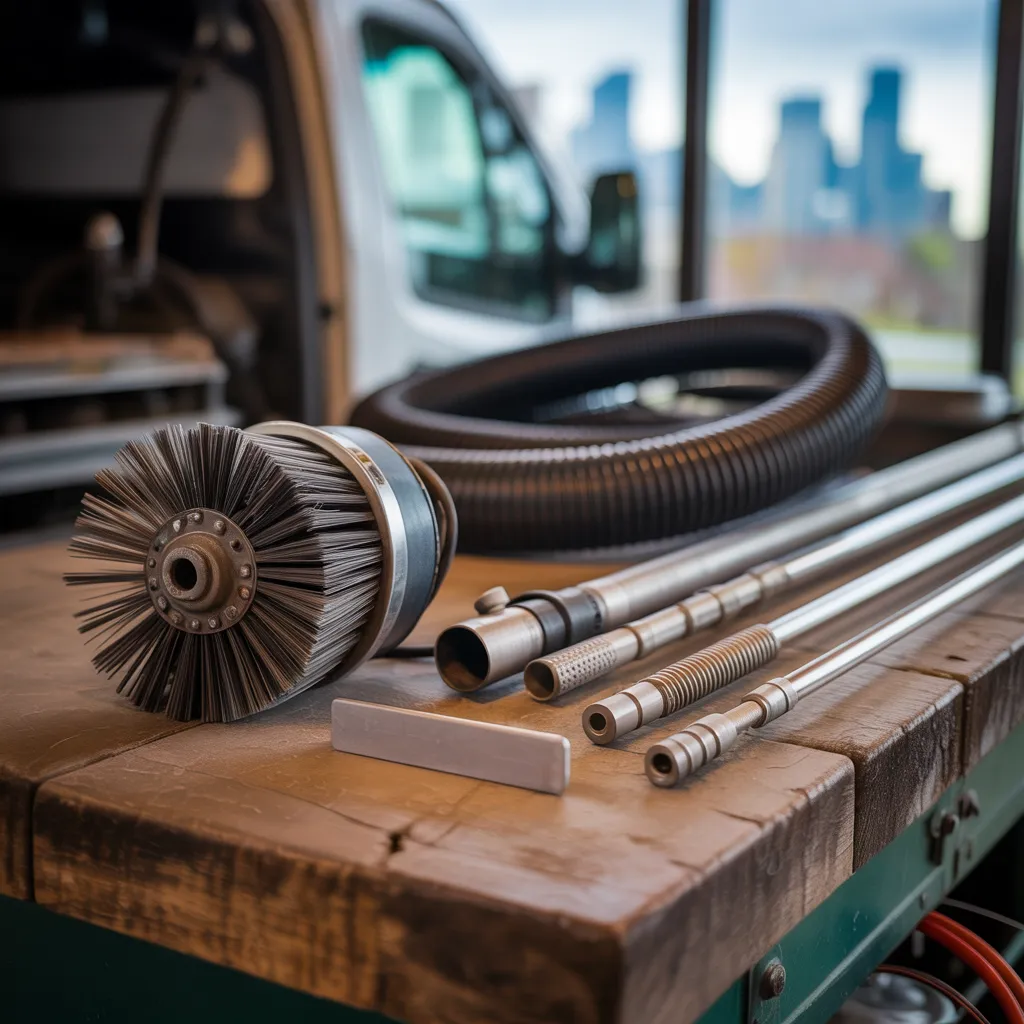
The cleaning process typically involves brushes, vacuums, and other equipment designed to effectively eliminate buildup. Technicians may also check the flue and chimney cap for optimal performance and overall condition. After cleaning, they often provide recommendations for maintenance or repairs if issues are identified.
Finally, a final inspection after cleaning verifies that the chimney is fit for use, and the technician will often offer recommendations on when future cleanings should be arranged. This thorough approach ensures the chimney functions safely and effectively, safeguarding the home against possible fire hazards.
Finding Qualified Chimney Cleaning Professionals
To locate reliable professionals, individuals can gather referrals from friends, family, or local hardware stores. Online reviews and ratings on platforms like Yelp or Google can provide insights into client experiences. One should request insurance documentation and references before committing to a provider.
Furthermore, securing various quotes can help homeowners assess reasonable pricing and evaluate the professionalism of different companies. At the end of the day, engaging qualified chimney cleaning specialists not only ensures detailed cleaning but also protects against potential fire hazards, supporting the general safety of the property.

Commonly Asked Questions
Can I Perform My Own Chimney Cleaning?
Self-cleaning a chimney can be done, but it requires the right knowledge, appropriate tools, and careful safety measures. A large number of homeowners choose professional cleaning services to ensure comprehensive cleaning and prevent possible risks linked to inadequate maintenance.
How Much Will Professional Chimney Cleaning Set You Back?
Expert chimney cleaning services typically costs between $100 and $300, depending on factors like location, chimney condition, and accessibility. Homeowners should consider these costs when planning for maintenance and making sure their chimney functions properly and safely.
What Supplies Are Necessary for Chimney Cleaning?
Chimney maintenance demands essential equipment comprising a chimney brush, extendable rods, a vacuum to collect debris, a drop cloth to safeguard the surrounding area, and safety gear including goggles and gloves to provide for a effective and secure cleaning procedure.
Do Specific Weather Conditions Affect Chimney Cleaning?
Chimney maintenance works best in dry, mild weather. Rain or snow can complicate the process, while harsh temperatures can reduce the efficiency of cleaning equipment. Sunny, open skies ensure optimal conditions for complete upkeep and safe practice.
What Are the Ways to Identify a Qualified Chimney Professional?
To identify a certified chimney specialist, you should seek credentials from trusted organizations, review online feedback, inquire about references, confirm insurance coverage, and ensure the professional has extensive experience in chimney upkeep and cleaning.